Choosing an electrosurgical device in modern surgery: key considerations for surgeons
Effective hemostasis while preserving healthy tissue remains one of the fundamental objectives of surgical practice. Dr. William Halsted, widely regarded as the “Father of Modern Surgery,” established a set of surgical principles that have been extensively cited in classic surgical literature, including the renowned Sabiston Textbook of Surgery. These principles emphasize that optimal wound healing depends on meticulous hemostasis, minimal tissue trauma, and preservation of adequate blood supply.
The rapid transition toward minimally invasive and laparoscopic surgery has not only transformed surgical approaches but has also raised the standards for surgical instruments. As every cutting and coagulating action directly affects hemostatic efficiency and tissue preservation, selecting the appropriate energy device has become increasingly critical. What factors should surgeons consider when choosing an electrosurgical instrument?
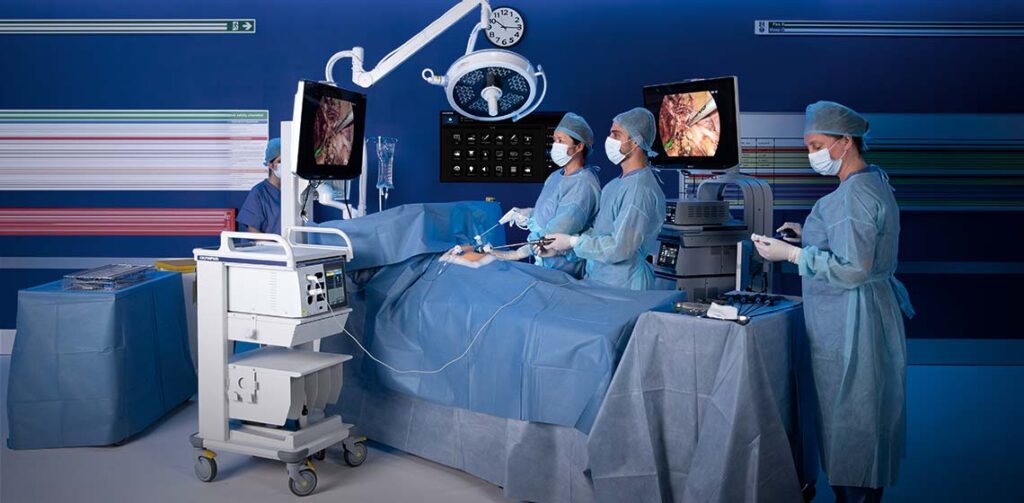
Cutting, Vessel Sealing, and Hemostatic Performance
Maintaining concentration and procedural flow throughout surgery is essential for achieving optimal outcomes. To support this, an ideal energy device should integrate both cutting and hemostatic functions within a single vessel-sealing instrument.
With advances in surgical technology, most modern energy devices are capable of performing multiple functions, including tissue dissection, cutting, and sealing vessels up to 5–7 mm in diameter. While multifunctionality has become the industry standard, different energy platforms offer distinct advantages. For example, ultrasonic devices excel in cutting and tissue dissection by converting electrical energy into high-frequency mechanical vibrations. In contrast, advanced bipolar vessel-sealing devices are particularly effective in creating reliable vessel seals, including vessels up to 7 mm in diameter.
This versatility helps optimize surgical efficiency by reducing the need to switch between multiple instruments such as dissectors, scissors, and hemostatic clamps. Furthermore, the ability to achieve hemostasis simultaneously during tissue transection helps maintain a clear surgical field and enhances visualization throughout the procedure.
Vessel Seal Quality
The quality of the vessel seal is another critical factor influencing both hemostatic effectiveness and overall procedural safety. A durable seal not only prevents intraoperative blood leakage but also minimizes the risk of postoperative bleeding when vessels are subjected to physiological circulatory pressures.
An effective vessel seal should be capable of withstanding burst pressures exceeding 360 mmHg, ensuring long-term hemostatic security and procedural reliability.
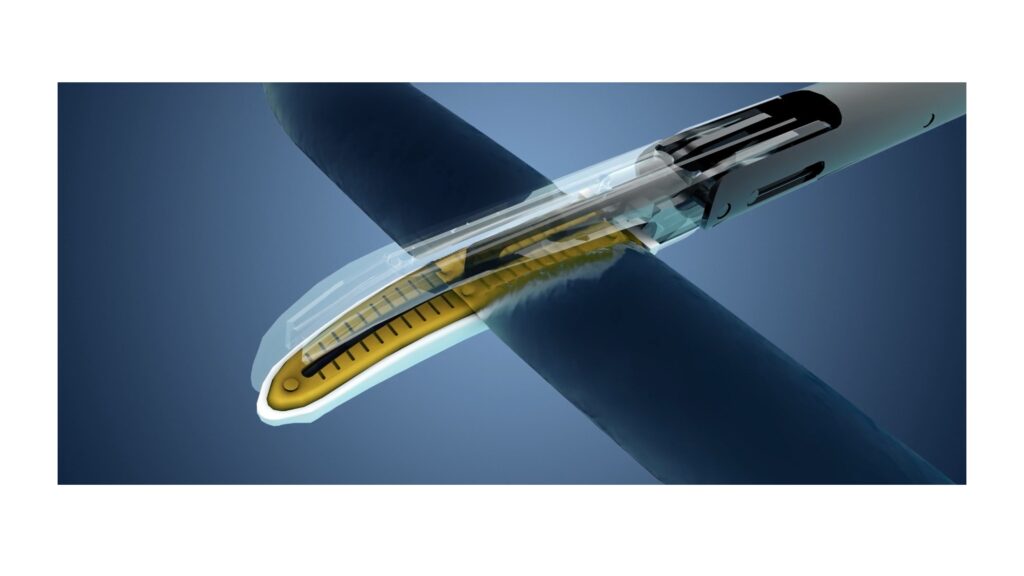
Thermal Spread Control and Preservation of Adjacent Tissue
Limiting thermal spread to surrounding tissues is one of the most important considerations when selecting an electrosurgical device. Excessive thermal injury can damage critical anatomical structures adjacent to the dissection plane, potentially compromising surgical outcomes.
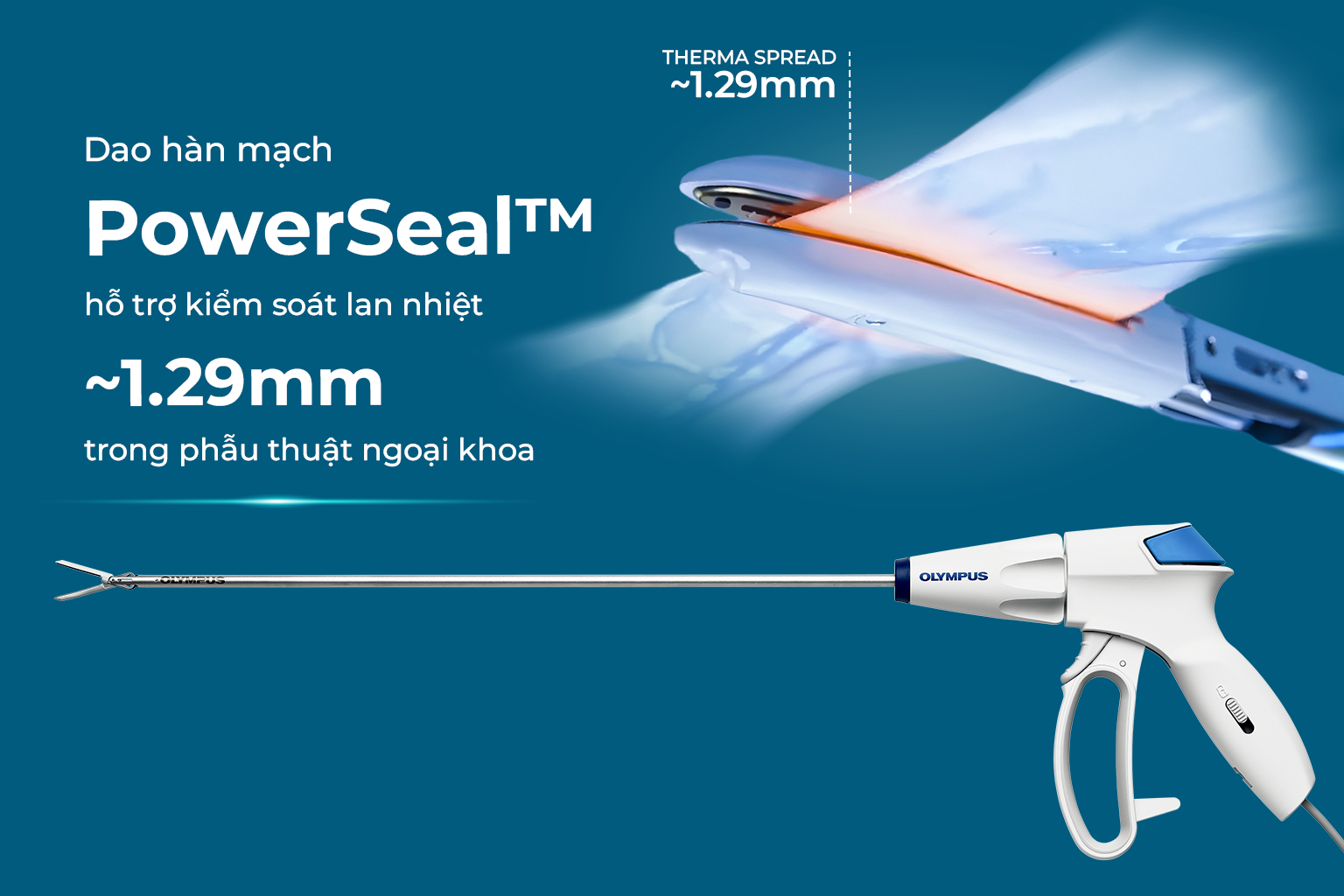
Electrical current naturally follows the path of least resistance. As tissue becomes desiccated and electrical resistance increases, current may spread to adjacent tissues, resulting in unintended thermal damage. Traditional monopolar electrosurgical devices are generally associated with a greater risk of thermal spread. In contrast, advanced bipolar systems and ultrasonic technologies are designed to maintain tissue temperatures within safer ranges—typically below 100°C—thereby minimizing collateral thermal injury and improving surgical precision.
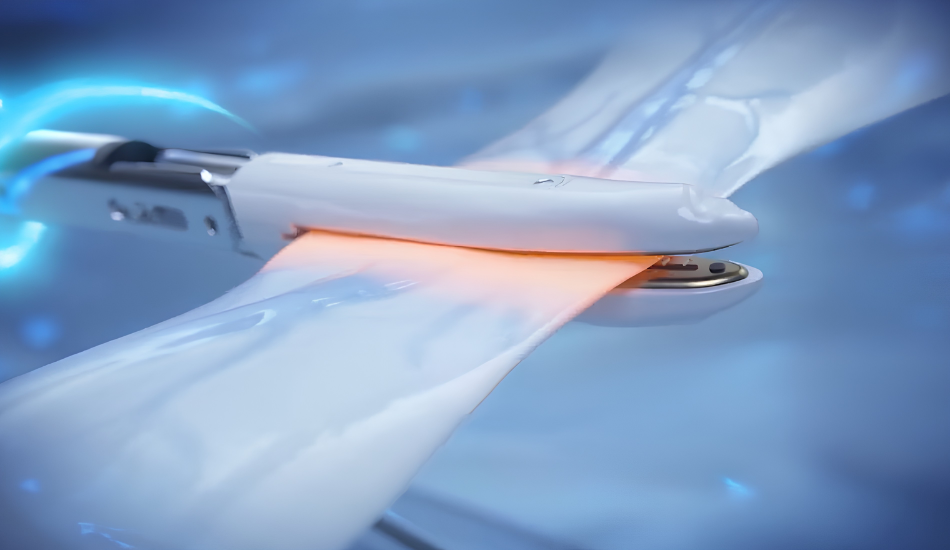
Ergonomic Design and User Comfort
Beyond technical performance, ergonomic design plays a significant role in instrument selection. The concept of ergonomics has become increasingly important in modern surgical device development, referring to designs that enhance user comfort and efficiency.
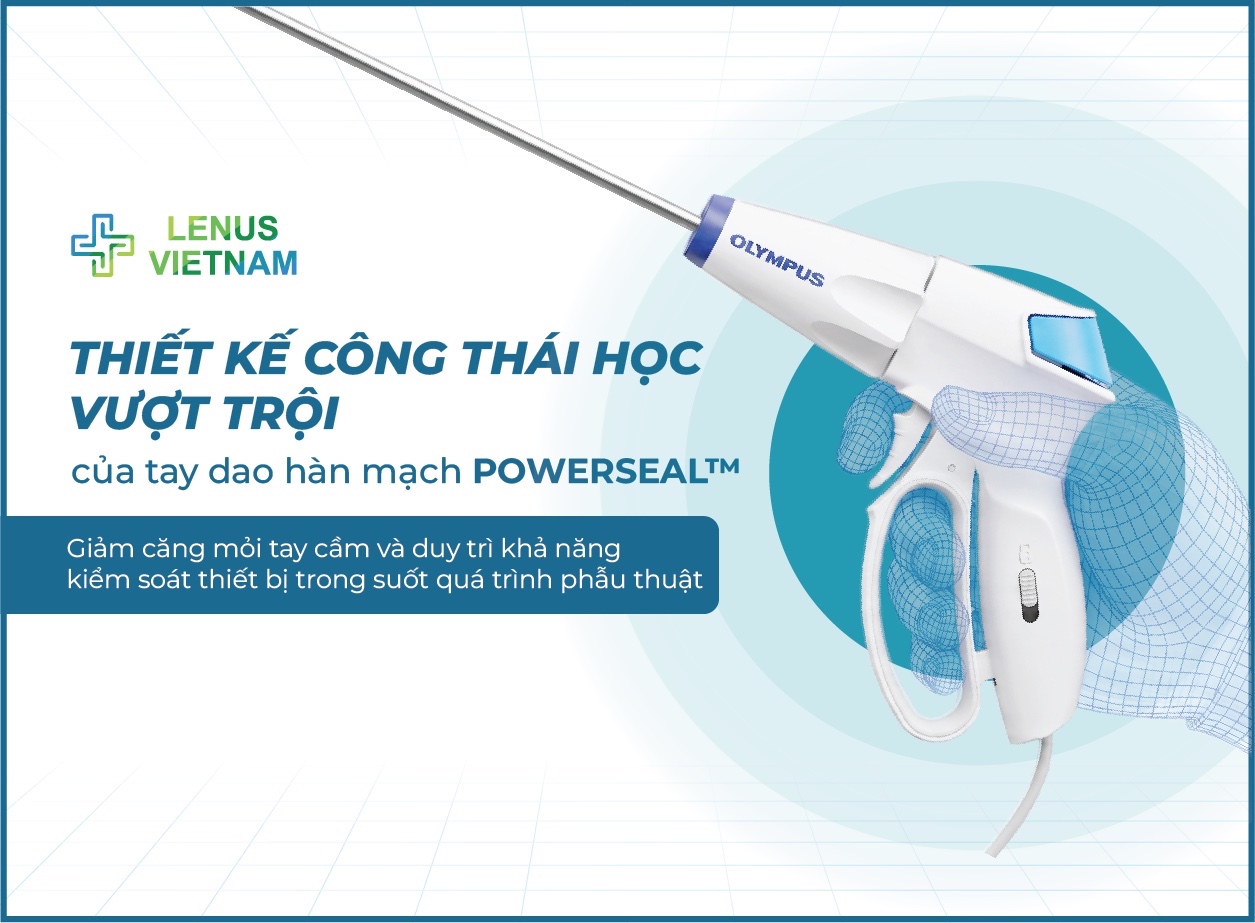
A truly ergonomic handpiece should allow surgeons to operate comfortably, with minimal effort required for grasping, sealing, and cutting. Reduced hand fatigue enables better instrument control and contributes to consistent performance during lengthy and complex procedures.
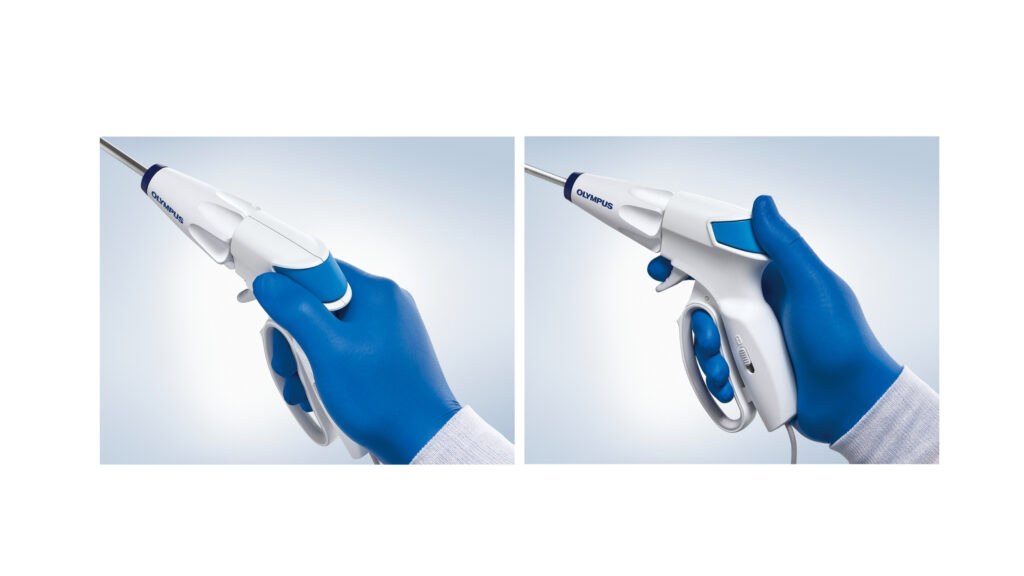
POWERSEAL™: A Solution Designed for the Demands of Modern Surgery
As surgical procedures continue to evolve, the criteria for selecting an energy device have become increasingly stringent. Surgeons now require instruments that combine effective cutting and hemostasis, precise energy control, thermal safety, and ergonomic handling.
Built upon advanced bipolar energy technology, POWERSEAL™ by Olympus has been developed to address these requirements, enabling surgeons to achieve greater energy control and procedural efficiency during tissue dissection and vessel sealing.
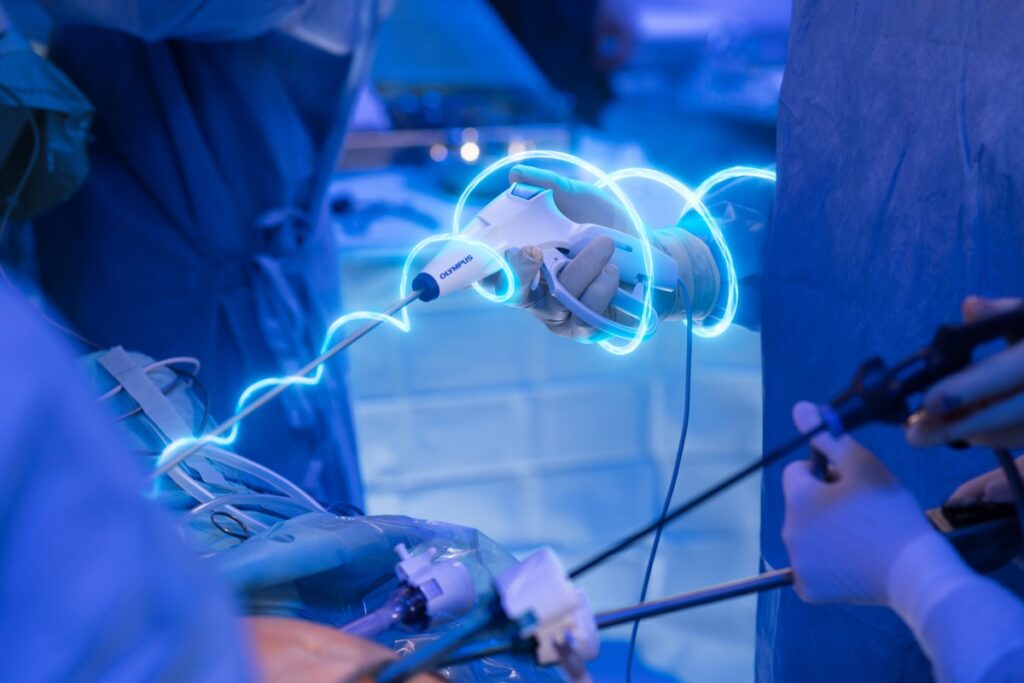
Compared with previous generations of vessel-sealing devices, POWERSEAL™ offers several notable advancements:
Optimized Hemostatic Performance
- Reliably seals vessels up to 7 mm in diameter.
- Achieves seal cycles in as little as 2.8–3.3 seconds.
- Combines cutting and hemostatic functions within a single instrument to enhance procedural efficiency.
Precise Energy Delivery
- Advanced bipolar technology concentrates energy precisely at the target tissue.
- Helps minimize collateral thermal damage to surrounding structures.
Enhanced Dissection Capability
- Features jaws that are 15% larger than those of the LigaSure™ Maryland device.
- Dual-action jaw design facilitates both secure tissue grasping and efficient tissue dissection.
Ergonomic Excellence
- Requires up to 55% less force to close the jaws.
- Reduces cutting trigger activation force by 10%.
- Helps minimize surgeon fatigue during prolonged procedures.
Greater Procedural Flexibility
- Proprietary Latch-on/off technology allows energy activation even when the jaws are not fully closed.
- Facilitates effective management of thick tissues and superficial bleeding points.
Advancing Surgical Precision and Safety
The evolution of modern energy devices reflects a broader shift in surgical priorities. Today, the goal extends beyond simple cutting and hemostasis to include precise energy control, preservation of healthy tissue, and enhanced patient safety.
With advancements in vessel-sealing performance, dissection capability, and ergonomic design, POWERSEAL™ represents a comprehensive solution that meets the growing demands of contemporary surgery and minimally invasive procedures.
For more information about POWERSEAL™ or to request a product demonstration and hands-on evaluation, please visit our website.