The Foundational Role of Image Acquisition in Gastrointestinal Endoscopy: From Observation to Diagnosis
On March 28, Bai Chay Hospital, in collaboration with VIGES – the Vietnam Society of Interventional Gastrointestinal Endoscopy, and the Quang Ninh Gastroenterology Association, organized the workshop entitled “Detection and Image Acquisition: A Fundamental Basis for Lesion Characterization and Classification.” The workshop was designed with an advanced, practice-oriented focus, addressing key aspects of modern endoscopic practice, particularly standardized image acquisition protocols in clinical settings, with an emphasis on the early detection of precancerous lesions and early-stage gastrointestinal malignancies.
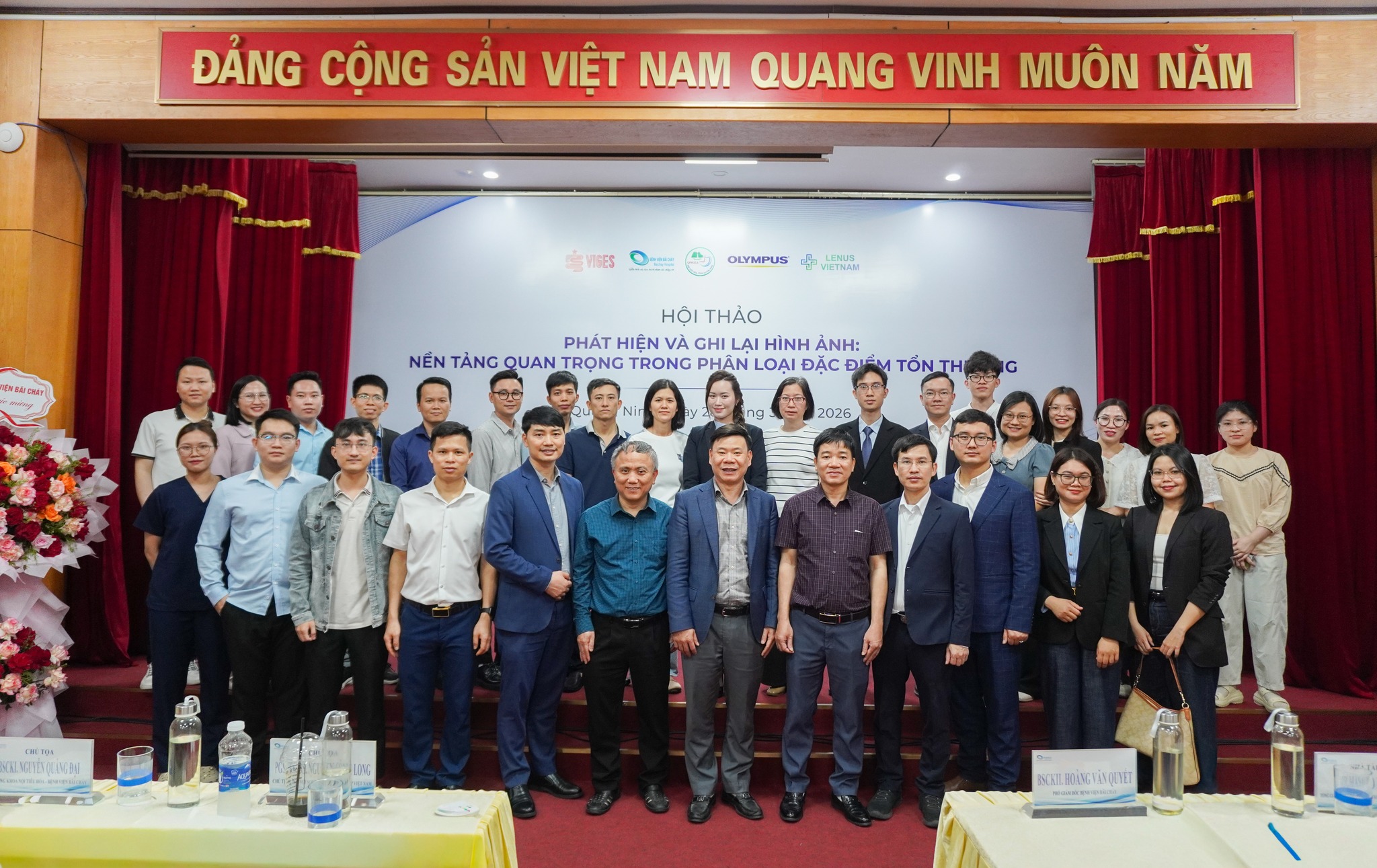
The workshop was chaired by Assoc. Prof. Dr. Nguyen Cong Long, President of the Vietnam Society of Interventional Gastrointestinal Endoscopy; Dr. Hoang Van Quyet (Specialist Level II), Vice Director of Bai Chay Hospital; and Dr. Nguyen Quang Dai (Specialist Level I), President of the Quang Ninh Gastroenterology Association and Head of the Department of Gastroenterology. The scientific program also featured presentations from distinguished speakers, including Dr. Pham Chau (Military Hospital 103), Dr. Nguyen Anh Duong (Bach Mai Hospital), and Dr. Hoang Van Huan (Bai Chay Hospital).
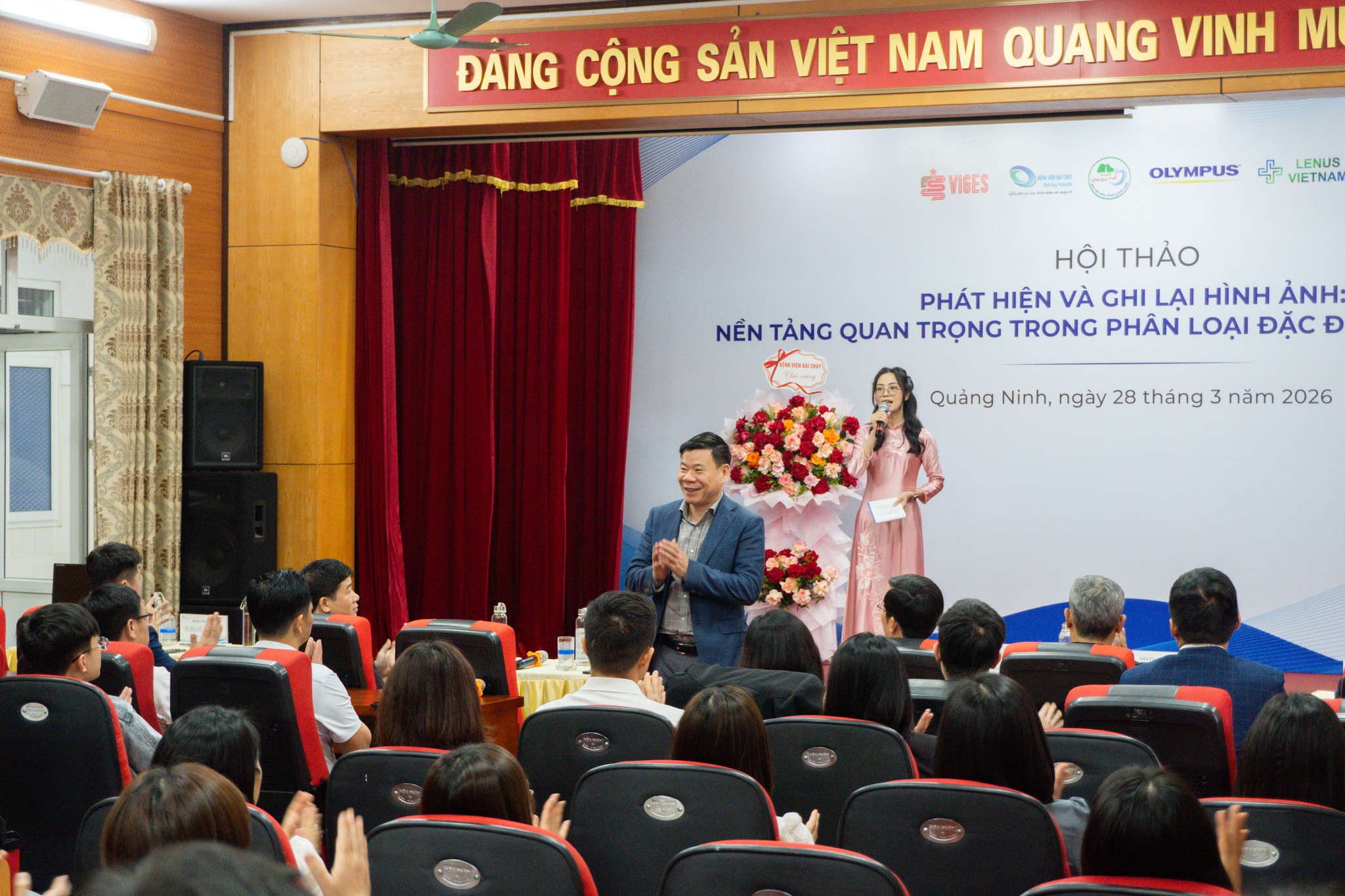
The workshop content followed a structured, system-based approach, progressing from fundamental principles to practical clinical applications. Scientific sessions focused on key topics such as the clinical significance of early detection of gastrointestinal cancers, the development of an “observational mindset” to minimize missed subtle lesions, and the application of advanced image-enhanced endoscopy techniques, including magnifying endoscopy with narrow-band imaging (ME-NBI), for detailed assessment of gastrointestinal mucosal lesions.
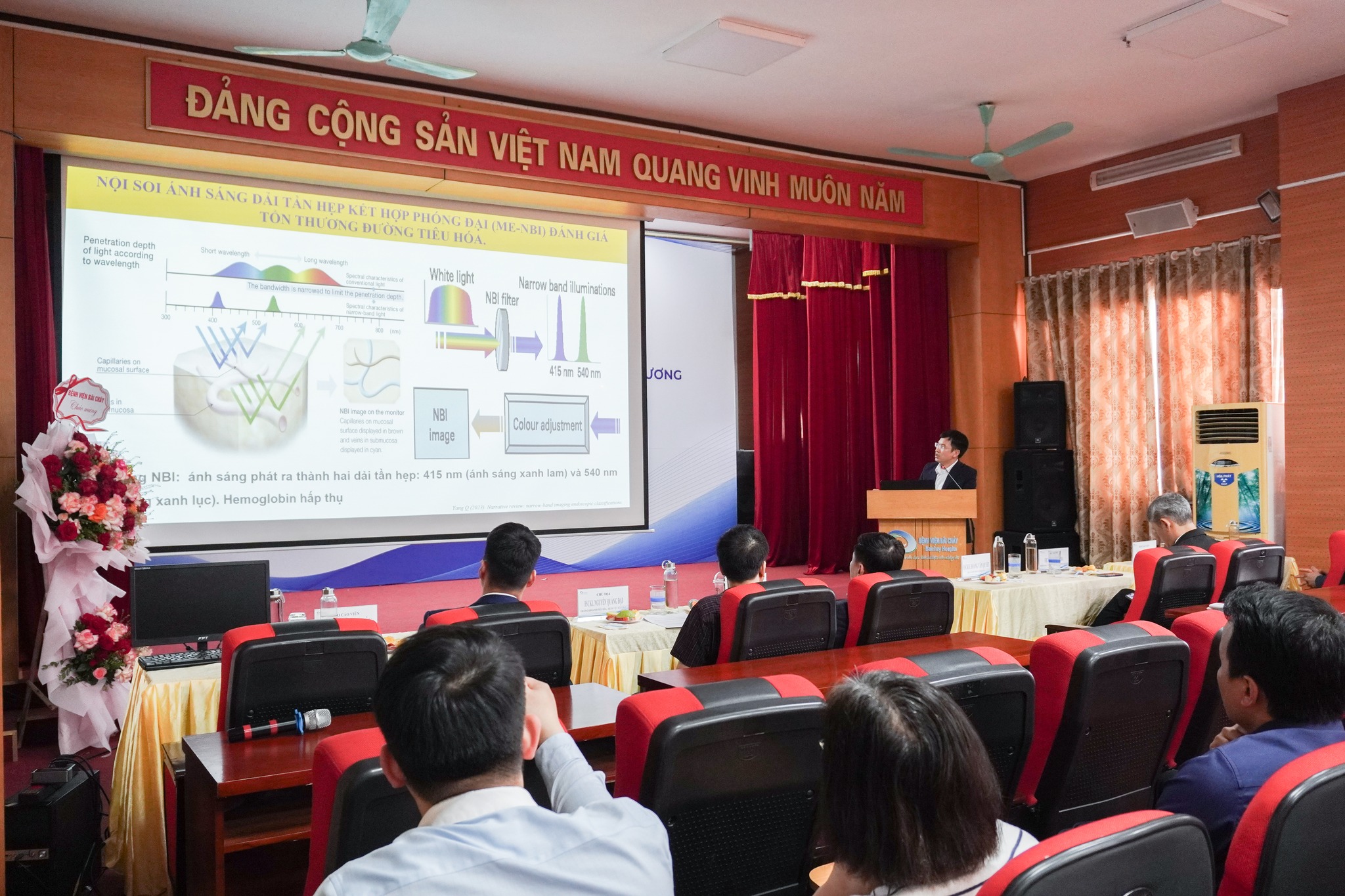
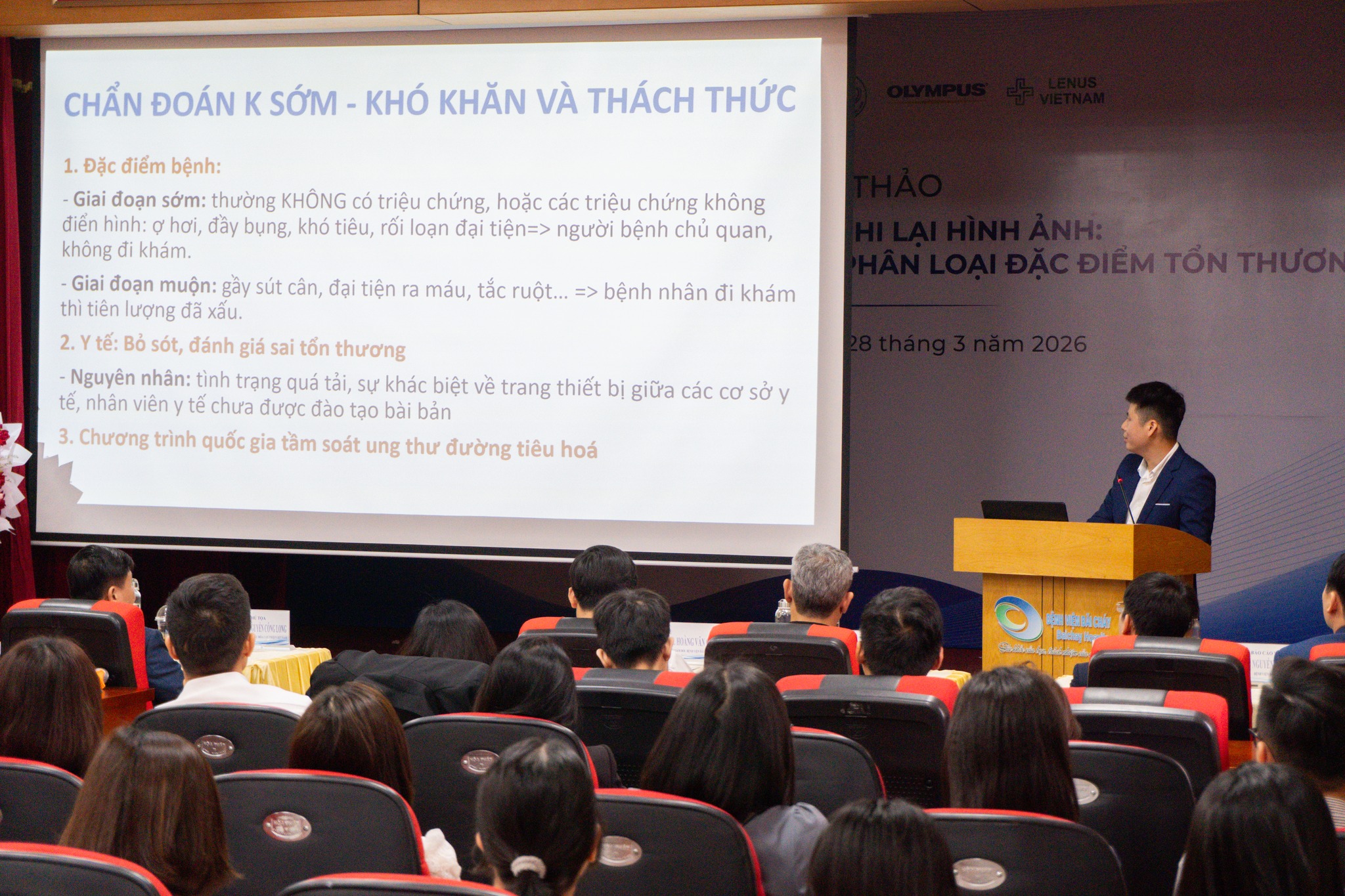
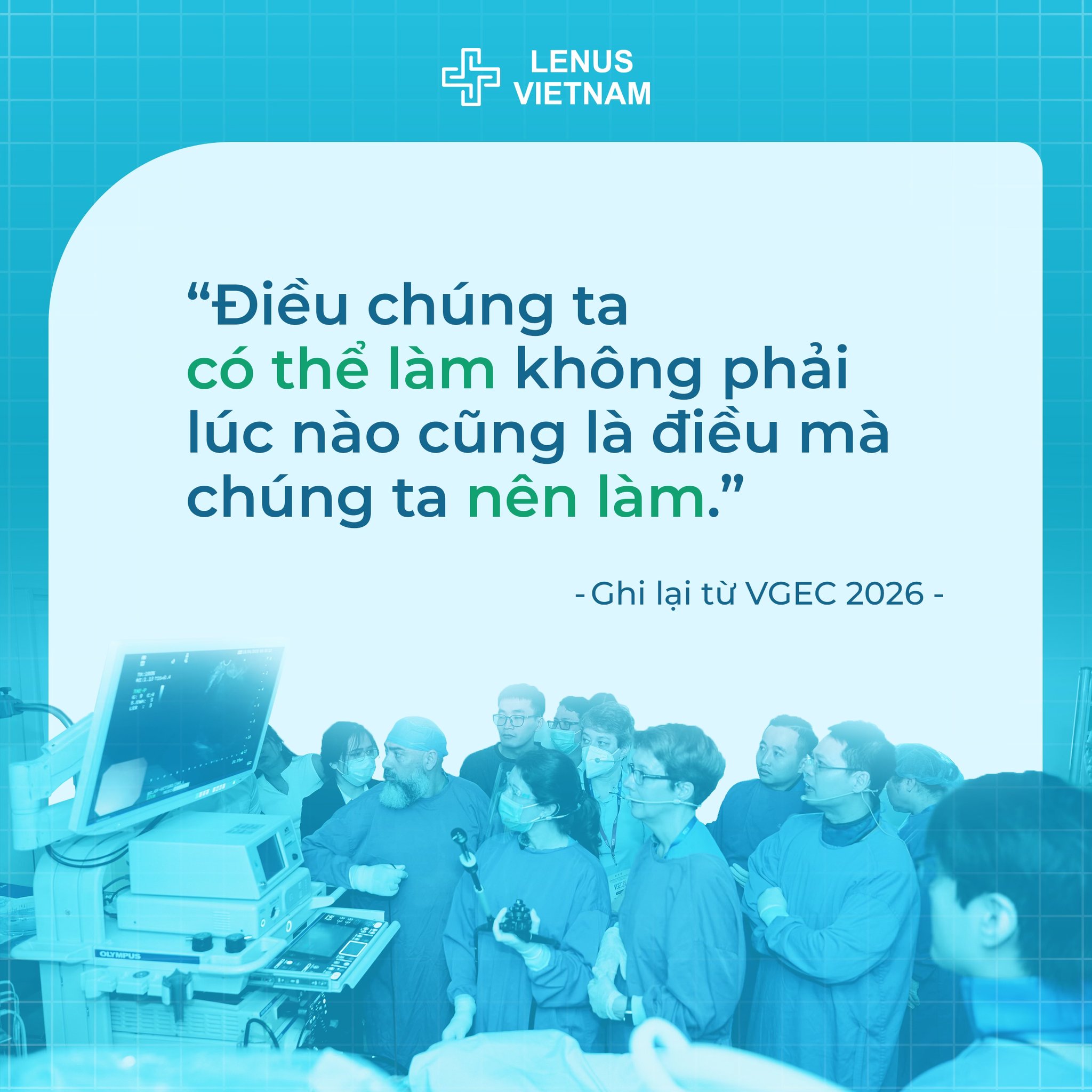
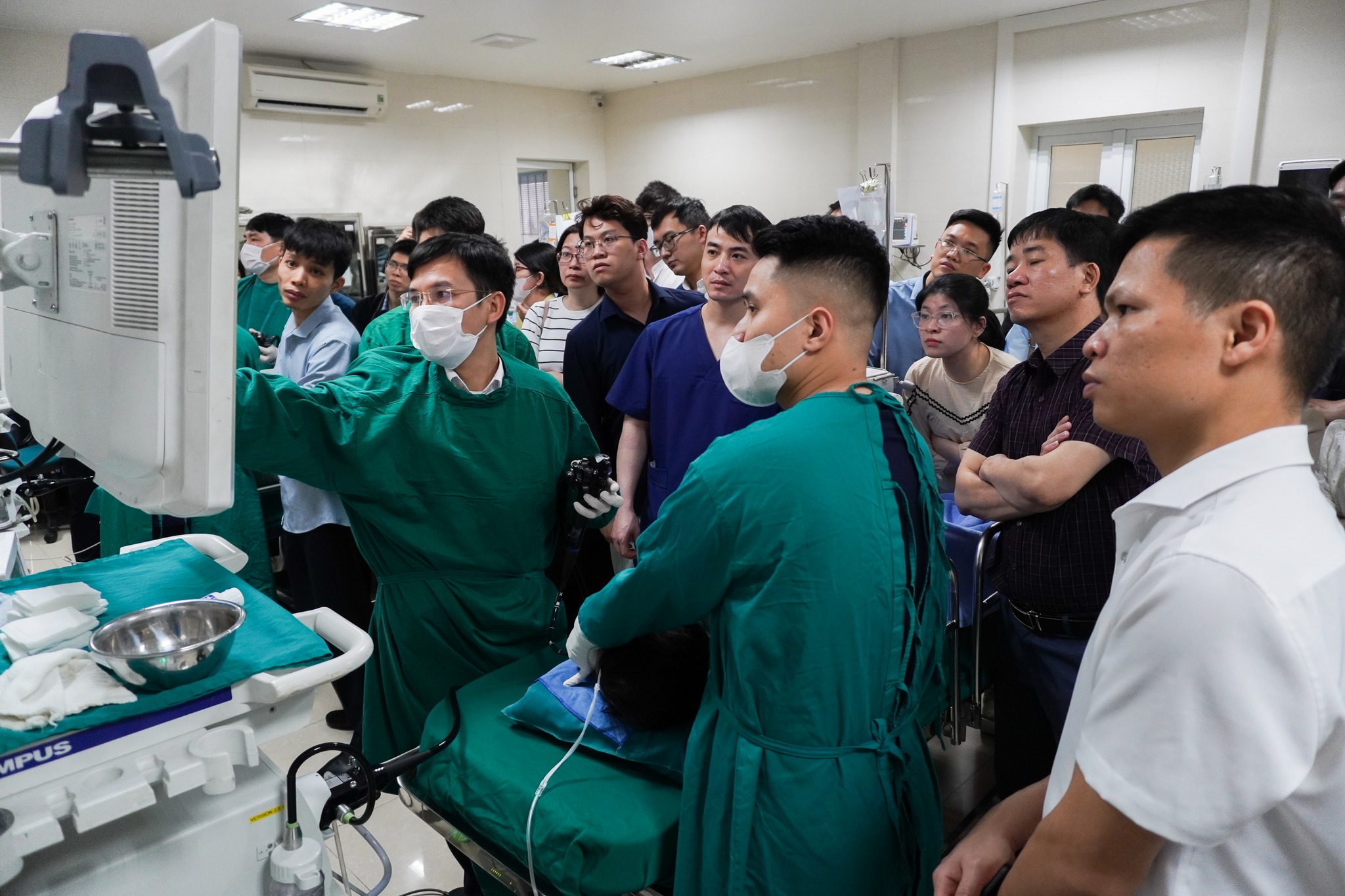
The hands-on session was conducted through live endoscopy on patients, providing participants with direct exposure to real-world clinical practice. In addition, participants engaged in simulation-based training using the MIKOTO endoscopy model under expert supervision, enabling them to refine procedural skills and enhance lesion recognition capabilities in a controlled environment.
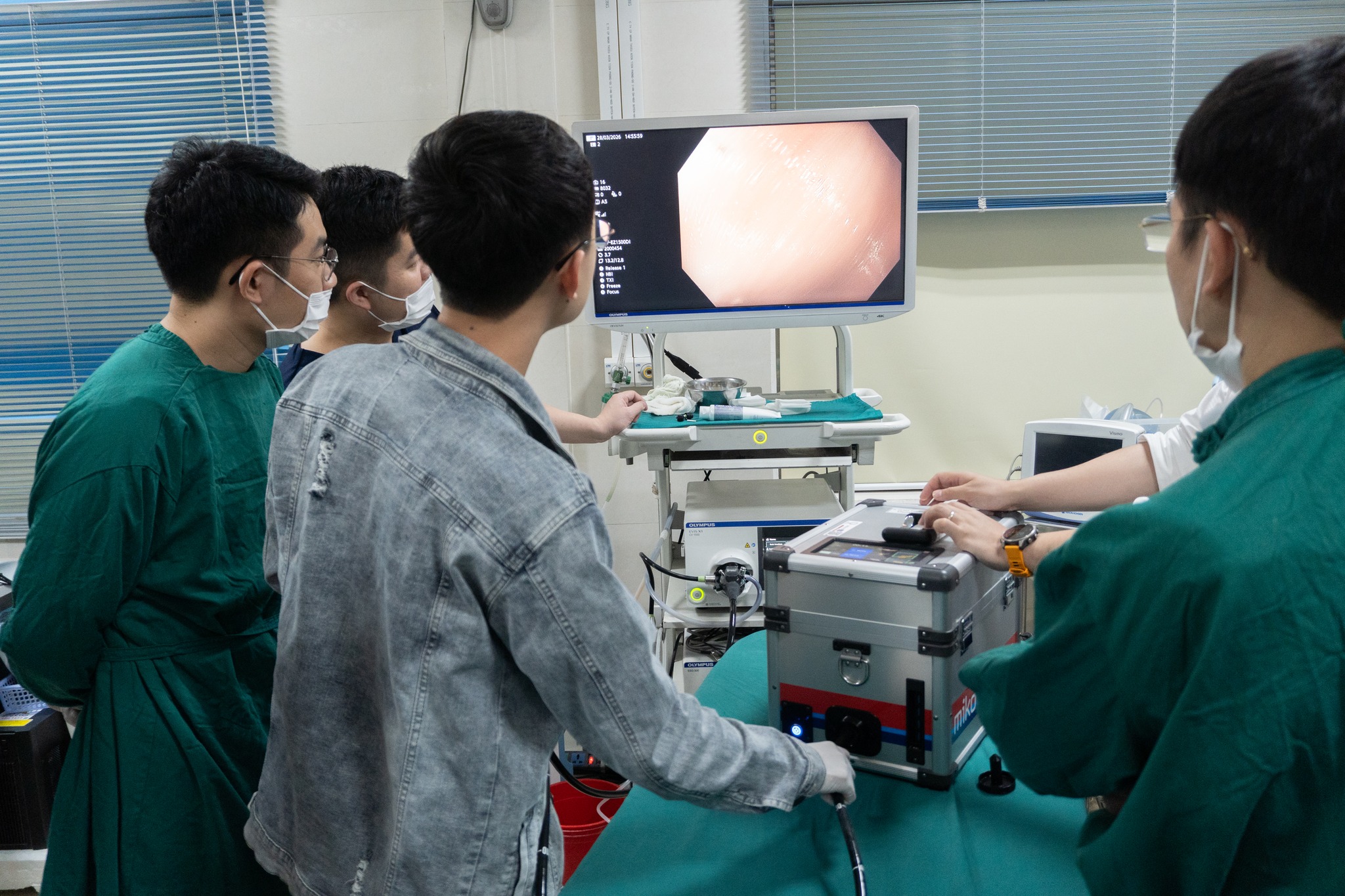
At the conclusion of this intensive and productive workshop, significant value was delivered in both professional development and educational orientation. Olympus and Lenus Vietnam are proud to serve as a bridge between advanced endoscopic technologies and clinical practice, facilitating the integration of academic knowledge with real-world applications in gastrointestinal endoscopy. Through this collaboration, cutting-edge imaging solutions are brought closer to daily practice, supporting improved early lesion detection and optimizing diagnostic accuracy.