Overview of Electrosurgical Systems in Surgery
Over the past several decades, the development of energy-based surgical instruments has significantly improved the efficiency and safety of various surgical procedures. Among these technologies, electrosurgical devices have become widely adopted due to their ability to cut tissue, achieve hemostasis, and facilitate dissection. In addition to conventional high-frequency electrosurgical systems, newer technologies such as ultrasonic surgical devices and advanced vessel sealing systems have emerged to optimize surgical performance while minimizing damage to healthy tissues.
What Is an Electrosurgical Device?
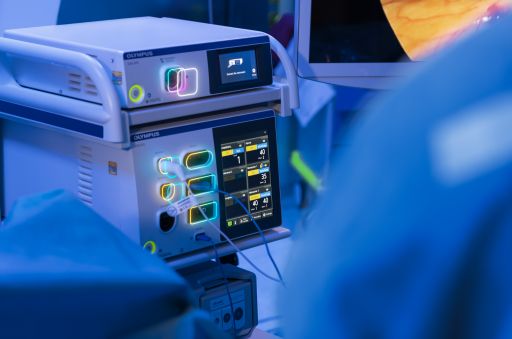
An electrosurgical device is one of the most commonly used energy-based surgical instruments in modern surgery. Unlike traditional mechanical scalpels, which are designed solely for tissue cutting, electrosurgical devices utilize high-frequency electrical energy to produce various biological effects on tissue, including cutting, coagulation, vessel sealing, and tissue ablation.
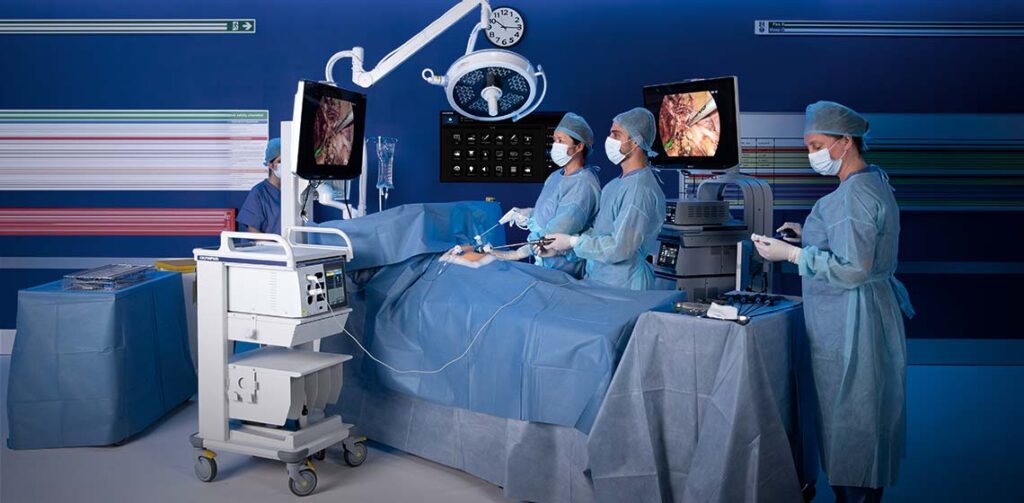
The introduction of high-frequency electrosurgery has significantly transformed surgical practice by reducing intraoperative bleeding, improving visualization of the surgical field, and shortening operative time. Today, electrosurgical systems are used not only in open surgery but also play an essential role in laparoscopic surgery, minimally invasive procedures, and many other advanced interventional techniques.

Principles of Electrosurgical Operation
Electrosurgical devices operate based on high-frequency electrical current. When electrical current passes through biological tissue, electrical energy is converted into thermal energy, creating different tissue effects depending on the temperature achieved and the mode of energy delivery. Some of the fundamental surgical effects of electrosurgery include:
- Cutting: When an electrosurgical device operates in cutting mode, energy is delivered at a high current density over a short period of time, causing tissue temperature to rapidly exceed 100°C. Water within the cells vaporizes almost instantaneously, generating pressure that ruptures cell membranes and destroys tissue structures at the point of contact. This process occurs continuously along the path of the electrode, producing a precise tissue incision while minimizing mechanical trauma compared with conventional scalpels.
- Coagulation: In coagulation mode, tissue temperature is typically maintained between 60°C and 70°C. This temperature range is sufficient to denature proteins, disrupt cellular structure, and cause collagen fibers to contract. Blood vessel walls constrict and coagulated proteins form a hemostatic seal, enabling effective control of bleeding from small and medium-sized vessels during surgery.
- Fulguration and Surface Tissue Destruction: When thermal energy is applied for a prolonged period or delivered in a surface coagulation mode, water is gradually removed from tissue, resulting in tissue desiccation or destruction through electrical arc discharge (fulguration). This effect is commonly used to ablate pathological tissue, remove proliferative lesions, treat premalignant conditions, or destroy tissue that requires elimination without creating a complete surgical incision.
Classification of Electrosurgical Devices
Based on instrument design and the pathway of electrical current flow, energy-based surgical instruments can generally be classified into three main categories:
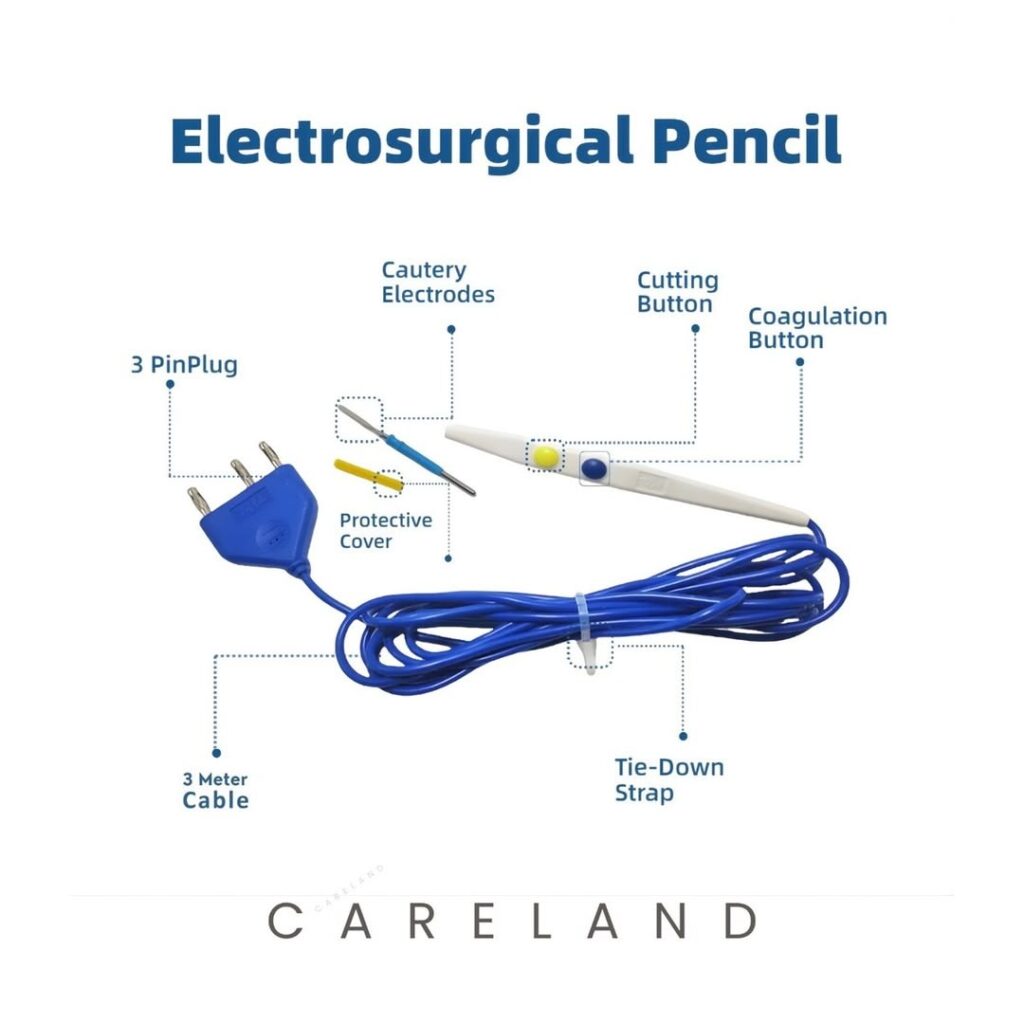
Monopolar Electrosurgery: This is the most commonly used type of electrosurgical device. Electrical current flows from the generator through the active electrode (handpiece) into the patient’s tissue and then returns to the generator via a dispersive electrode (return pad) attached to the patient’s body.
Bipolar Electrosurgery: In general, bipolar electrosurgical devices utilize alternating current. Electrical current flows only between the two electrodes located at the tips of the instrument and passes through the tissue grasped between the jaws. The patient is not part of the primary electrical circuit, eliminating the need for a return pad. Current is confined to the tissue positioned between the jaws, providing a high level of safety for both the patient and the surgeon. However, significant differences exist between conventional bipolar devices and advanced bipolar systems:
- Conventional Bipolar Devices: Traditional bipolar devices do not incorporate feedback mechanisms to monitor tissue impedance or regulate temperature. As a result, thermal energy may spread to surrounding tissues during use. Furthermore, these systems primarily provide coagulation and hemostasis without integrated cutting capability. Consequently, after coagulation, surgeons often need to use scissors or other instruments to divide tissue and complete dissection.
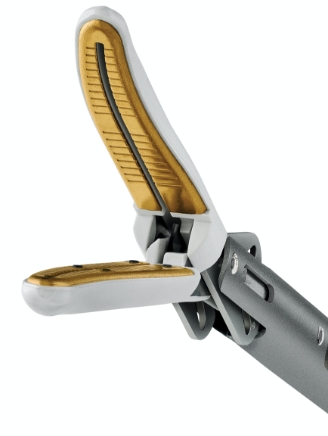
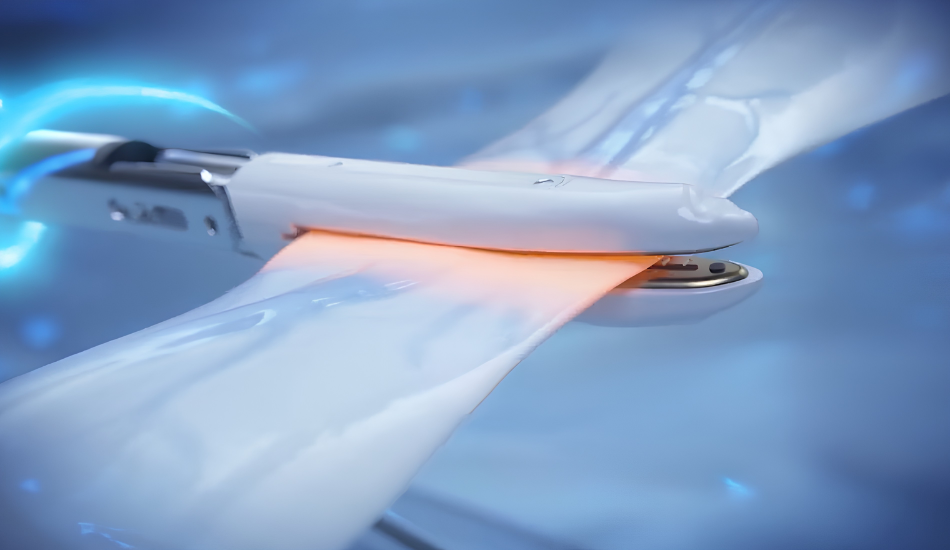
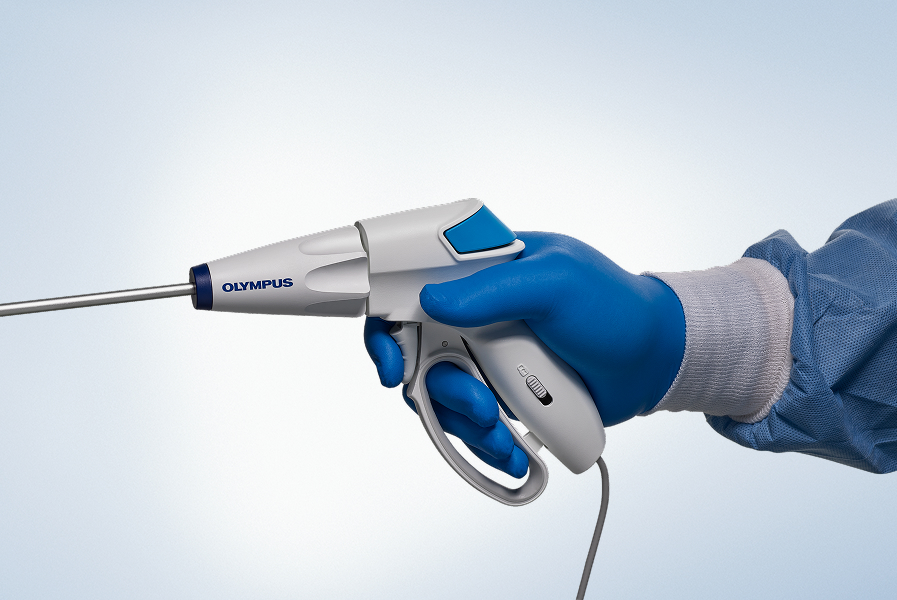
- Advanced Bipolar Vessel-Sealing Devices: Modern bipolar vessel-sealing technologies have been developed based on conventional bipolar principles while overcoming many of their limitations. These devices incorporate tissue impedance monitoring, allowing the generator to automatically adjust energy delivery and control temperature more precisely. This helps reduce tissue sticking and minimize collateral thermal damage to surrounding structures during surgery. In addition, the instruments feature integrated mechanical cutting mechanisms, enabling surgeons to seal vessels, achieve hemostasis, and divide tissue using a single instrument, thereby streamlining the dissection process.
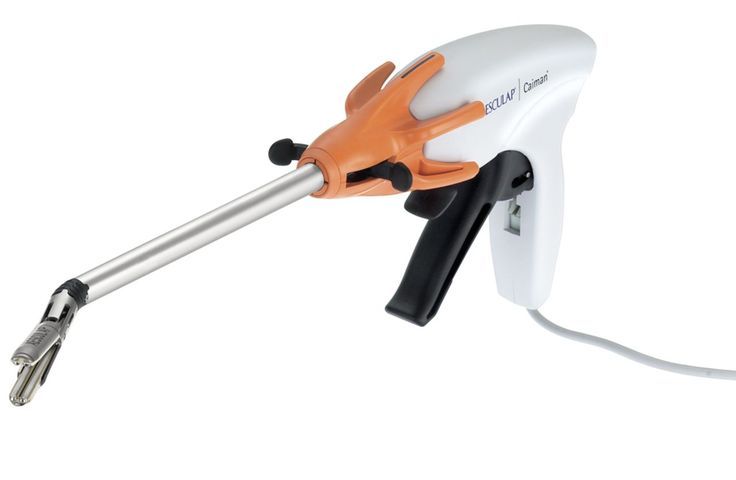
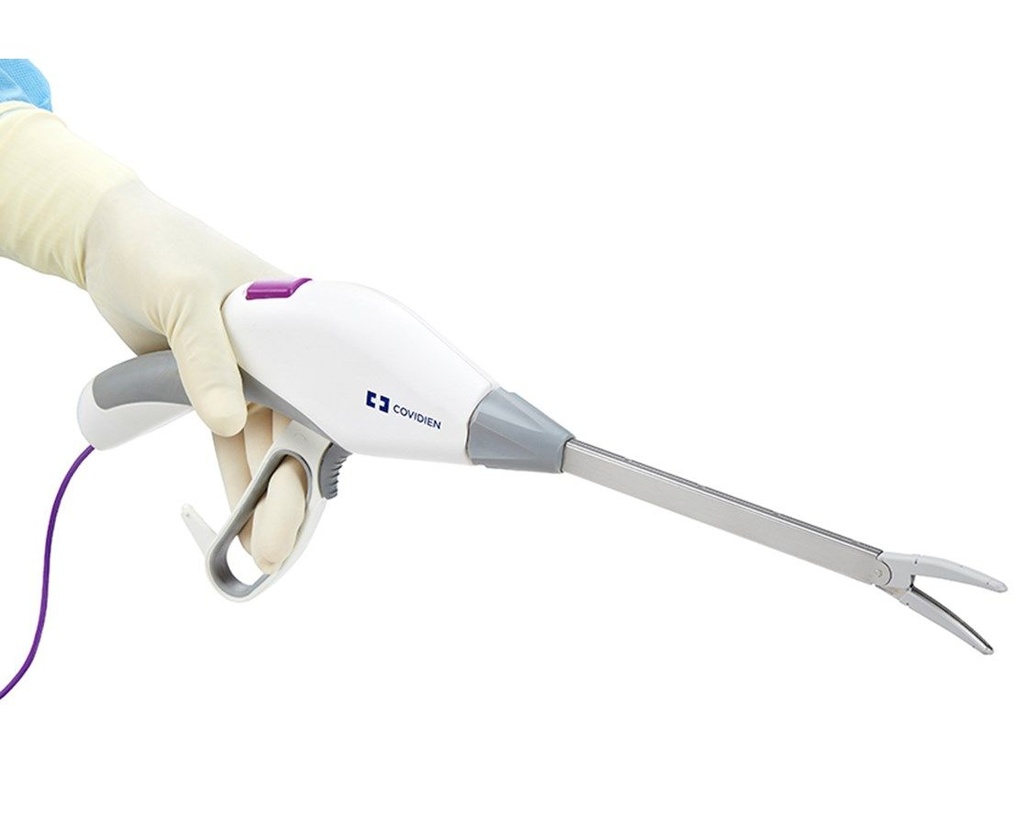
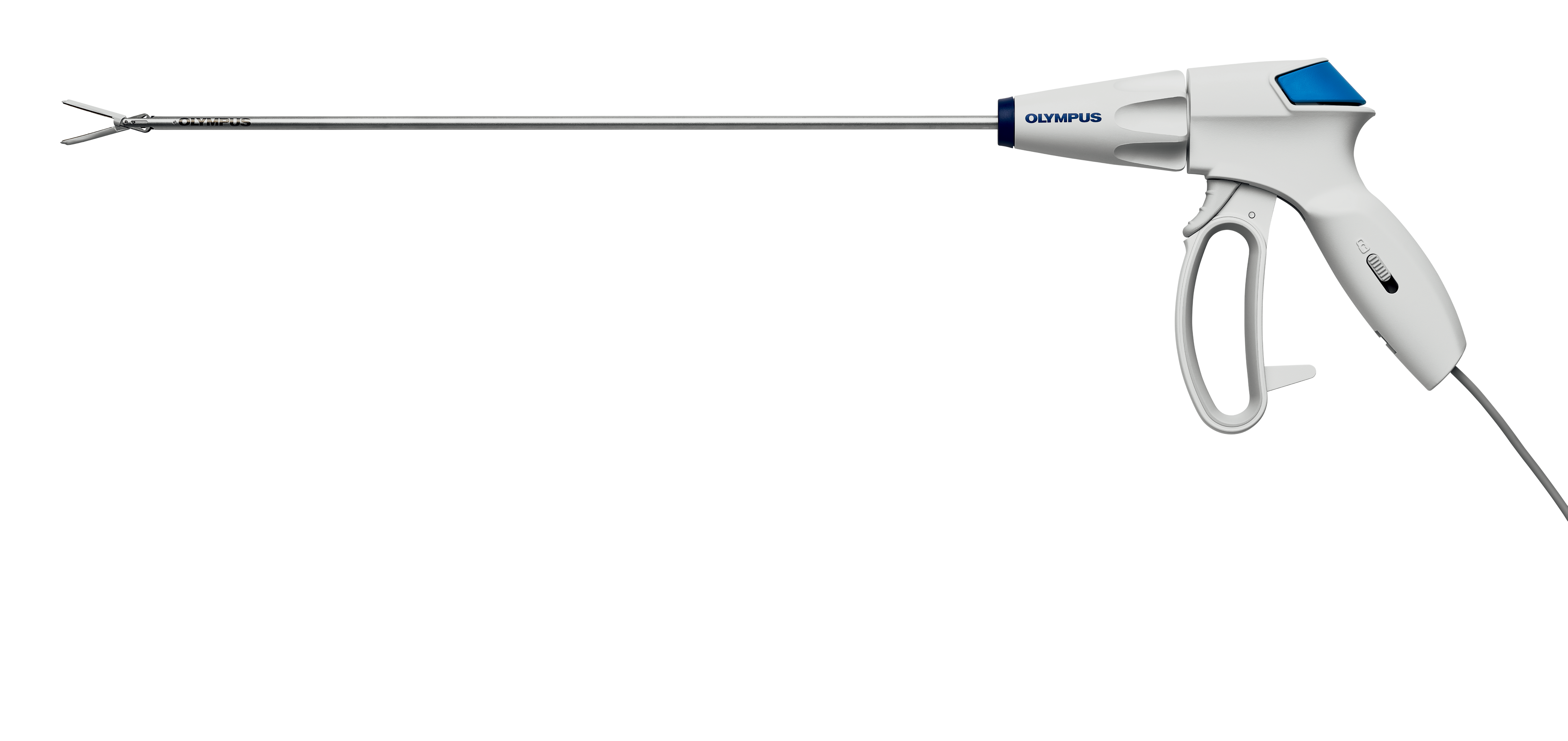
Ultrasonic Shears: Unlike electrosurgical devices, ultrasonic shears do not transmit electrical current through tissue. The generator converts electrical energy into ultrasonic mechanical vibration (approximately 55,000 vibrations per second) at the blade. This mechanical friction generates heat, enabling simultaneous tissue cutting and coagulation.
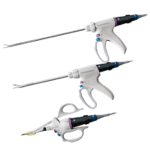
Comparison of Three Surgical Energy Systems
| Criteria | Monopolar Electrosurgery | Advanced Bipolar Vessel-Sealing Devices | Ultrasonic Shears |
|---|---|---|---|
| Mechanism of Action | Electrical current travels from the active electrode through tissue and returns to the generator via a dispersive electrode attached to the patient. | Electrical current flows only between two electrodes located on the instrument jaws. Vessel sealing is achieved through a combination of mechanical compression and bipolar energy delivery guided by tissue impedance feedback. | Utilizes ultrasonic mechanical vibration (approximately 23–55 kHz) to generate frictional heat for simultaneous tissue cutting and coagulation. |
| Cutting Capability | Continuous high-frequency current (300–500 kHz) generates rapid tissue vaporization, resulting in efficient cutting. | Integrated mechanical cutting mechanisms allow tissue division following vessel sealing (e.g., LigaSure™ cutting blade or PowerSeal™ cutting trigger). | Mechanical blade vibration enables rapid tissue cutting while simultaneously coagulating the cut surface. |
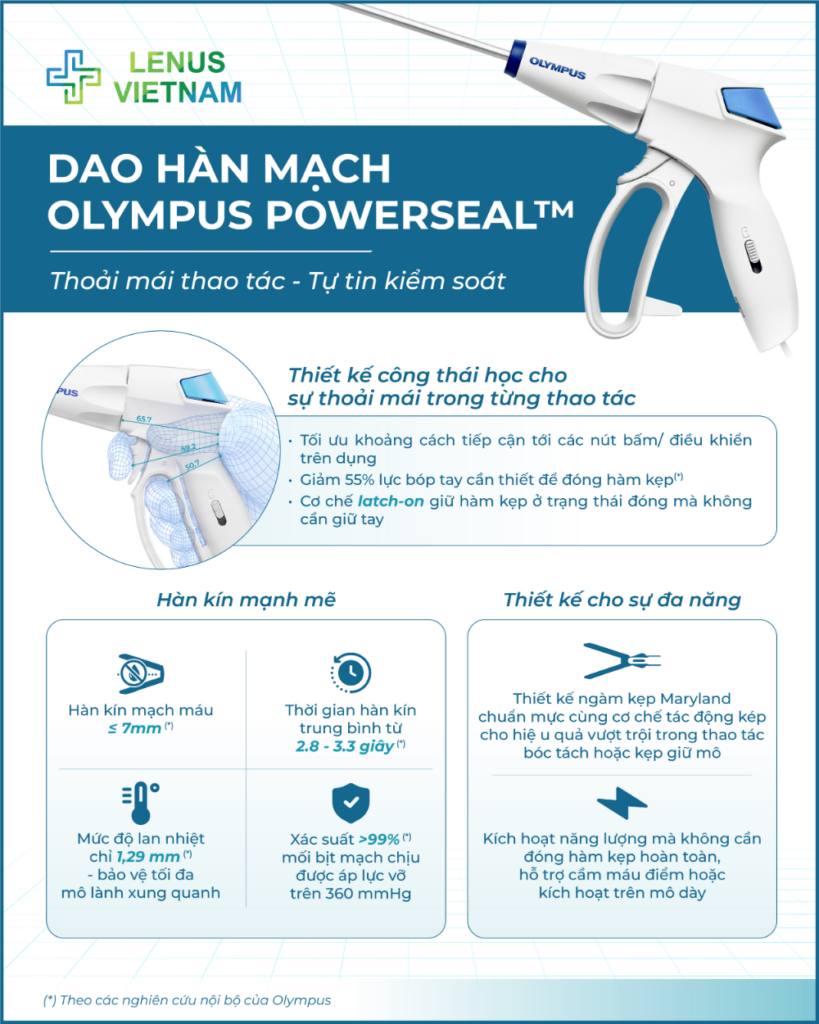
| Hemostasis / Vessel Sealing Capability | Alternates between cutting and coagulation modes or uses pulsed energy to achieve superficial hemostasis and tissue ablation. | Capable of sealing vessels up to 7 mm in diameter. Utilizes the body’s own collagen and elastin to create a permanent fusion seal. | Capable of sealing vessels up to 5 mm in diameter. |
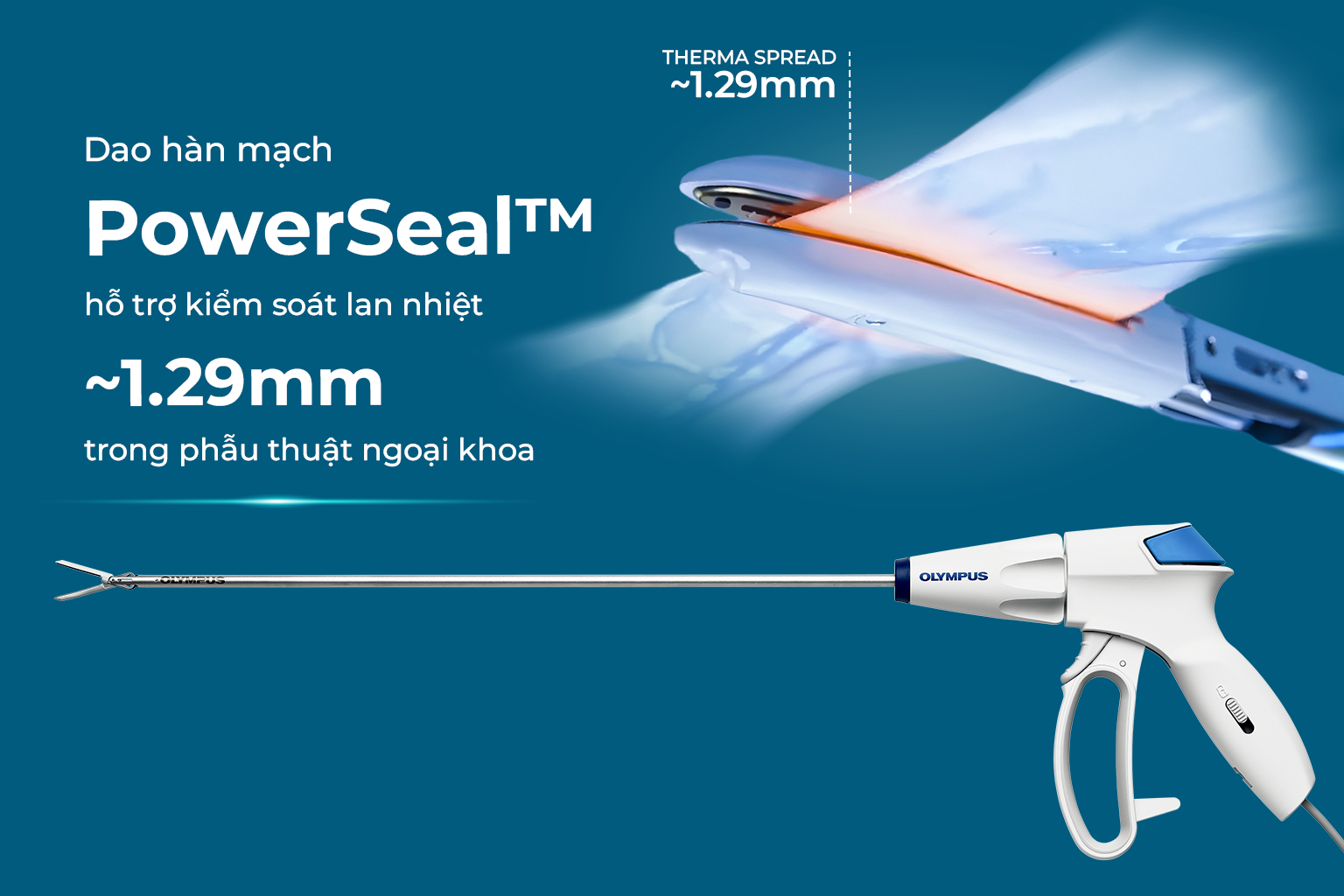
| Thermal Spread | Higher thermal spread due to the use of higher voltage, increasing the risk of collateral thermal injury. | Very low thermal spread (e.g., approximately 1.29 mm for PowerSeal™). Controlled bipolar energy and lower operating voltage help minimize thermal damage. | Low thermal spread, typically around 2–3 mm. |
Key Considerations When Selecting an Electrosurgical Device
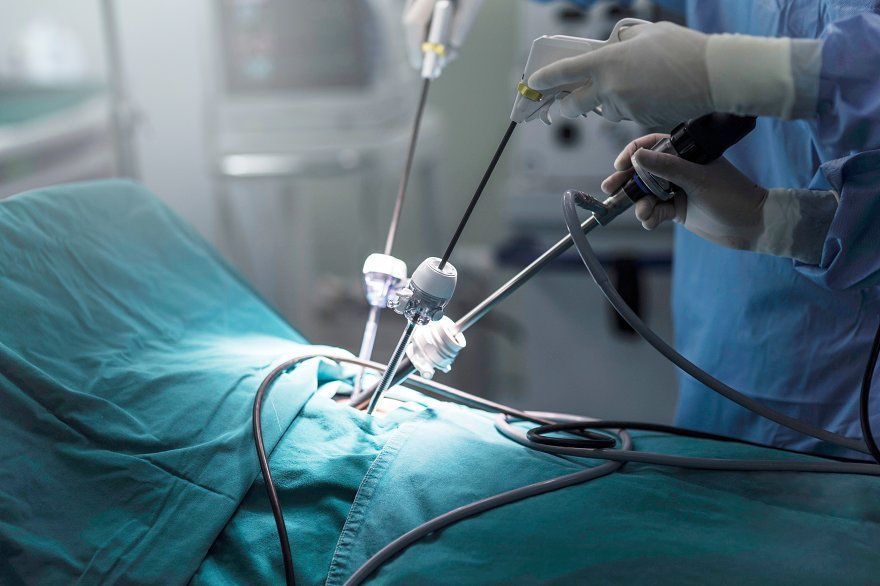
To ensure safe, precise, and efficient surgical performance while minimizing physical strain, surgeons typically evaluate energy devices based on the following key criteria:
- Vessel-Sealing and Hemostatic Performance: The device should reliably dissect tissue, grasp structures, and seal large blood vessels while maintaining seal integrity under high intravascular pressure without requiring suture ligation.
- Thermal Spread Control: Collateral thermal injury should be minimized to protect healthy surrounding tissues, particularly when operating near critical structures such as nerves or bile ducts.
- Procedural Efficiency: Sealing and tissue division should be performed rapidly and efficiently, maintaining procedural flow and reducing overall operative time, thereby minimizing patient exposure to anesthesia.
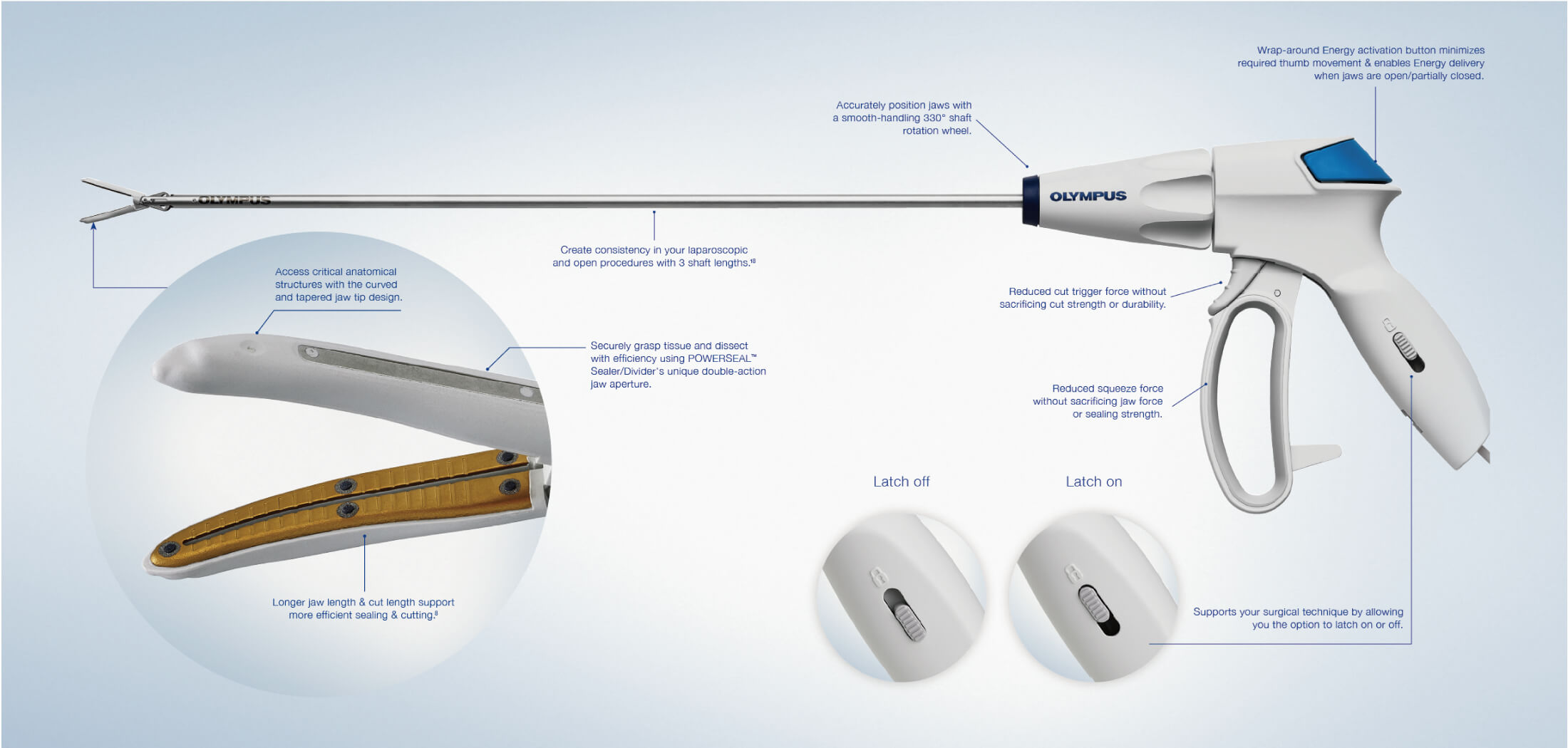
- Versatility: The instrument should integrate multiple functions—including grasping, dissection, hemostasis, vessel sealing, and cutting—while offering a wide jaw opening that allows surgeons to handle various tissue bundles without frequent instrument exchanges.
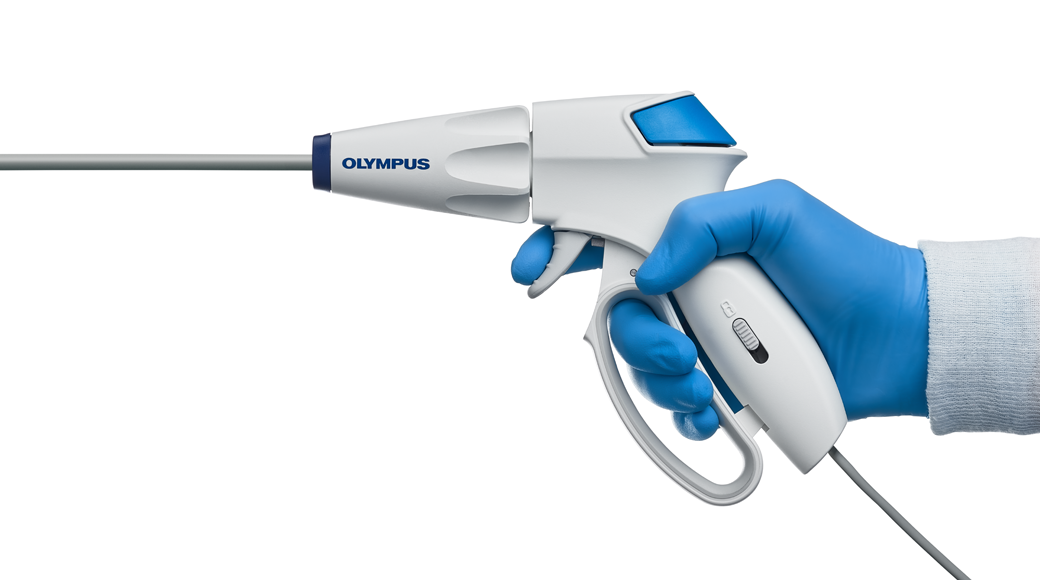
- Ergonomic Design: The handpiece should provide a comfortable grip, smooth cutting activation, and minimal jaw-closing force requirements to reduce muscle fatigue and hand strain during lengthy surgical procedures.
PowerSeal™ – A Next-Generation Bipolar Vessel-Sealing Instrument
Advancements in surgical technology have elevated bipolar energy platforms through the introduction of vessel-sealing instruments. These devices combine mechanical compression from the jaws with bipolar electrical energy to denature vascular collagen and elastin, creating a durable permanent seal without the need for sutures.