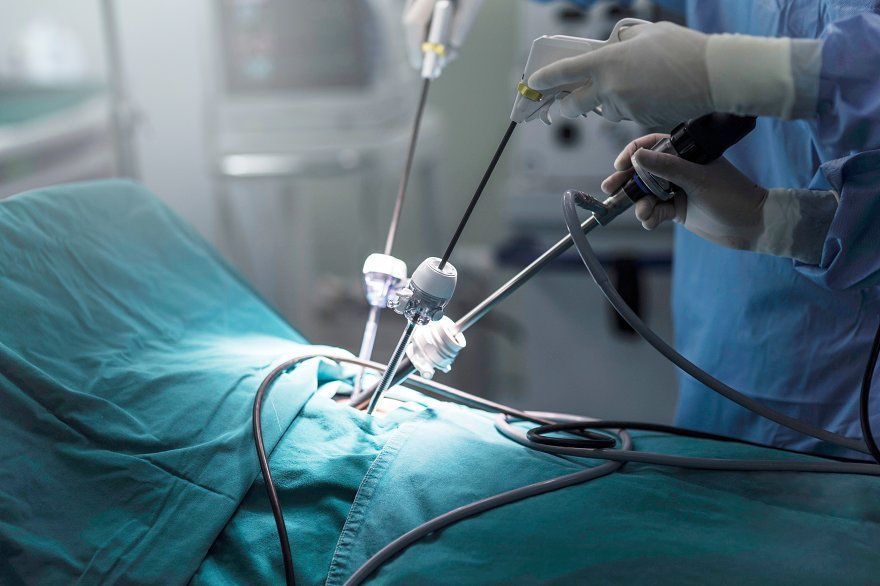
Three-Step Workflow for Precise Vessel Sealing and Transection with PowerSeal™
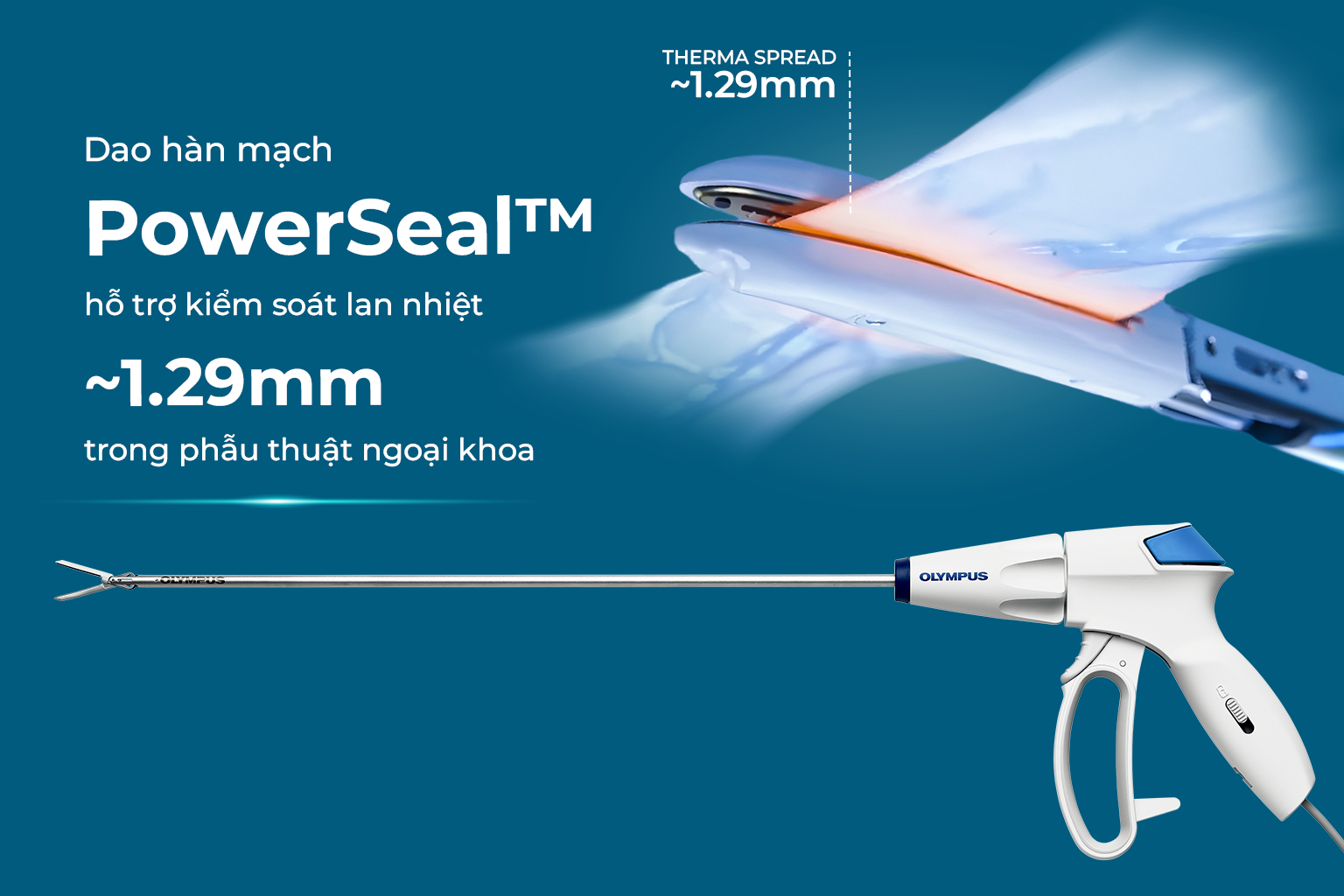
Controlling the energy delivery of vessel sealing devices is a critically important aspect of surgery, particularly during complex dissections near vital anatomical structures. However, in many currently available vessel sealing instruments, including systems such as PowerSeal™, jaw closure and energy activation are still integrated into a single continuous motion. As a result, the distinction between “tissue fixation” and “energy delivery” becomes less clearly defined. This may increase the risk of unintended activation and collateral thermal injury to adjacent tissues.
To support greater surgical safety, rather than combining all actions into a single movement, PowerSeal™ — Olympus’ next-generation vessel sealing device — addresses this challenge by redesigning the operational workflow itself. The system separates the process into three distinct steps: jaw closure, energy activation, and cutting. This allows surgeons to evaluate tissue compression and confirm anatomical positioning before any energy is delivered to the tissue.
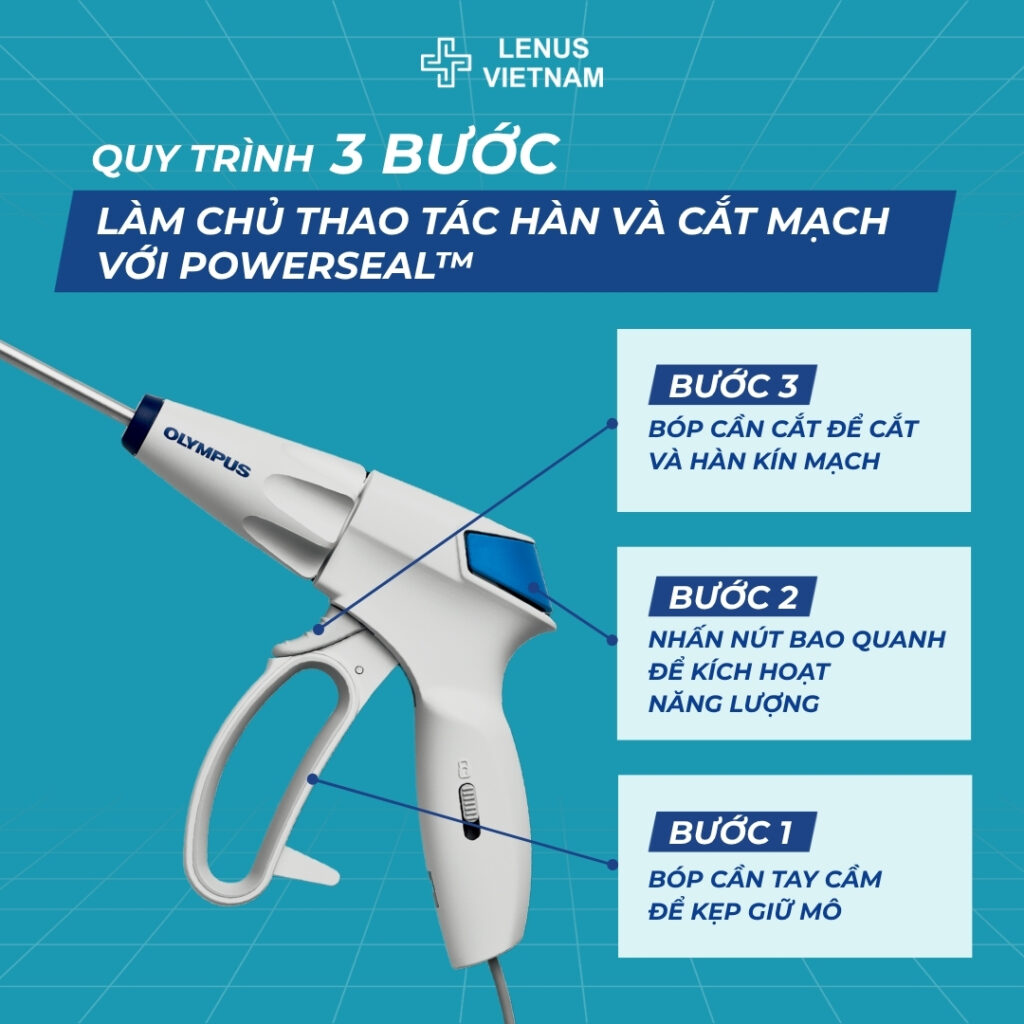
Step 1: Grip the handle lever
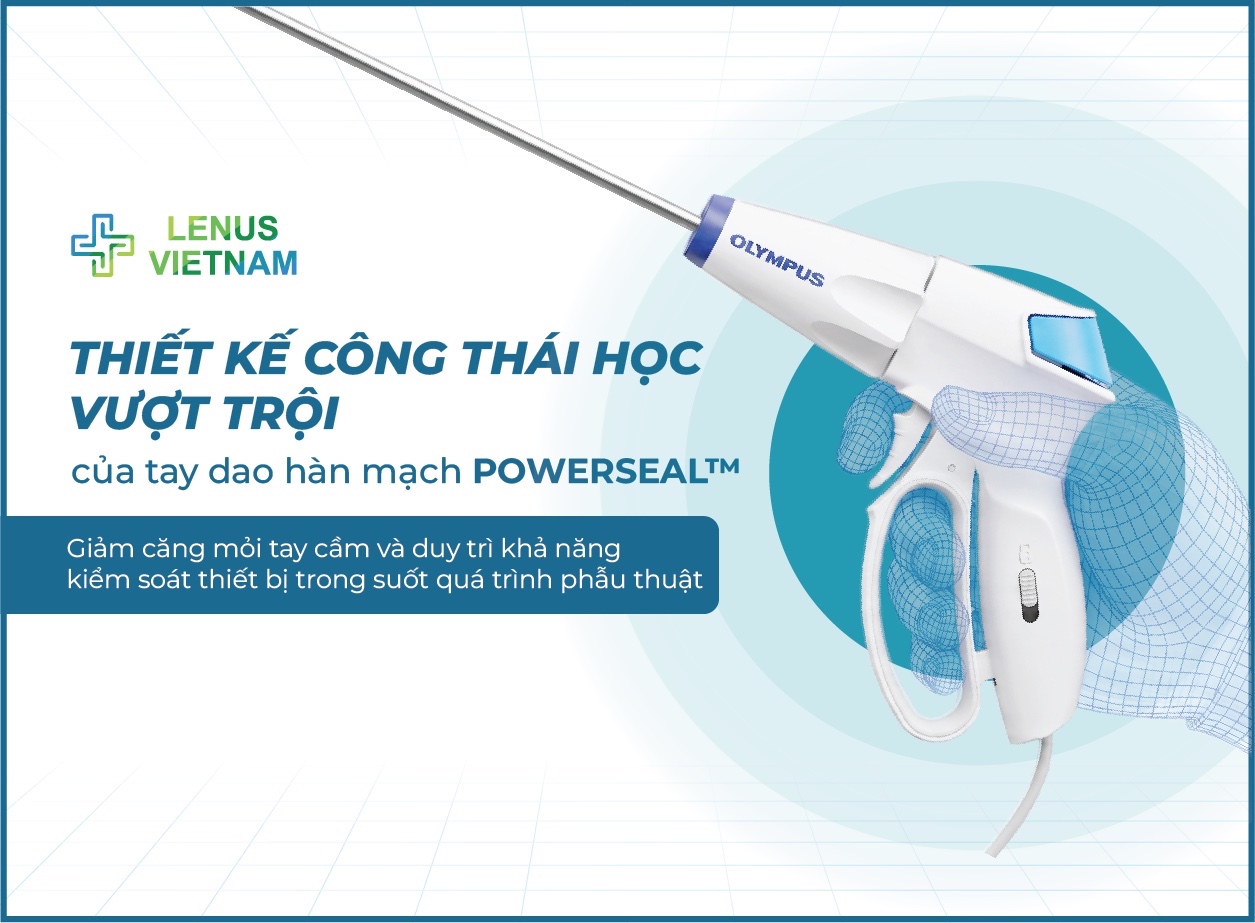
In the first step, the surgeon uses the PowerSeal™ vessel sealing device to squeeze the handle lever, closing the jaws and securing the tissue in the desired position. At this stage, however, no energy is activated, giving the surgeon additional time to assess and control the tissue before proceeding with vessel sealing and transection.
In procedures that require delicate manipulation or work within confined operative spaces, separating tissue grasping from energy activation enables more precise control of instrument movement and may reduce the risk of unintended activation during handling.
Step 2: Press wraparound button
The next stage is energy activation — a key operational distinction between PowerSeal™ and many conventional vessel sealing devices. Before energy is delivered, the instrument provides both tactile and audible feedback once adequate tissue compression force has been achieved. This allows the surgeon to clearly recognize when the device is ready for vessel sealing, rather than relying solely on subjective manual estimation as with many conventional techniques.
Step 3: Grip the cut trigger
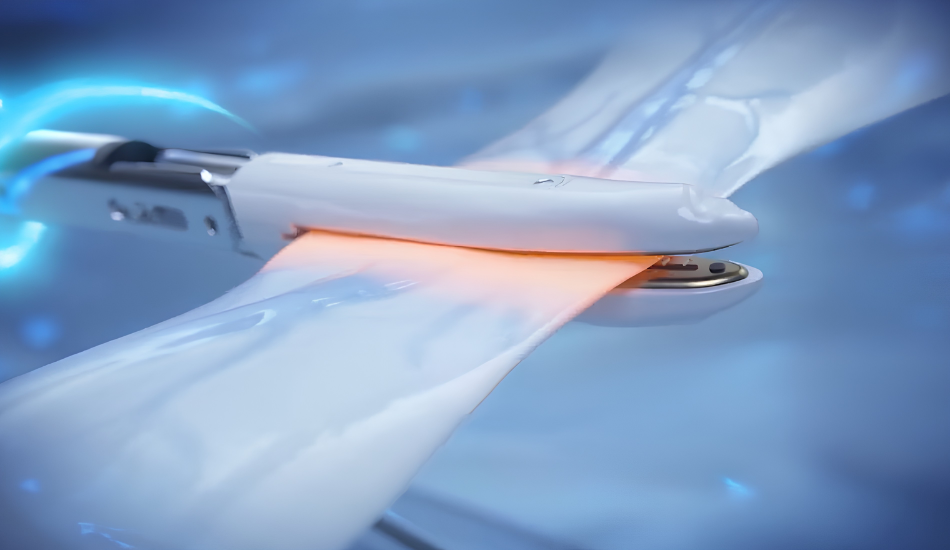
Once sufficient tissue compression has been achieved, the surgeon then squeezes the cut trigger to activate energy delivery and perform vessel sealing and transection.
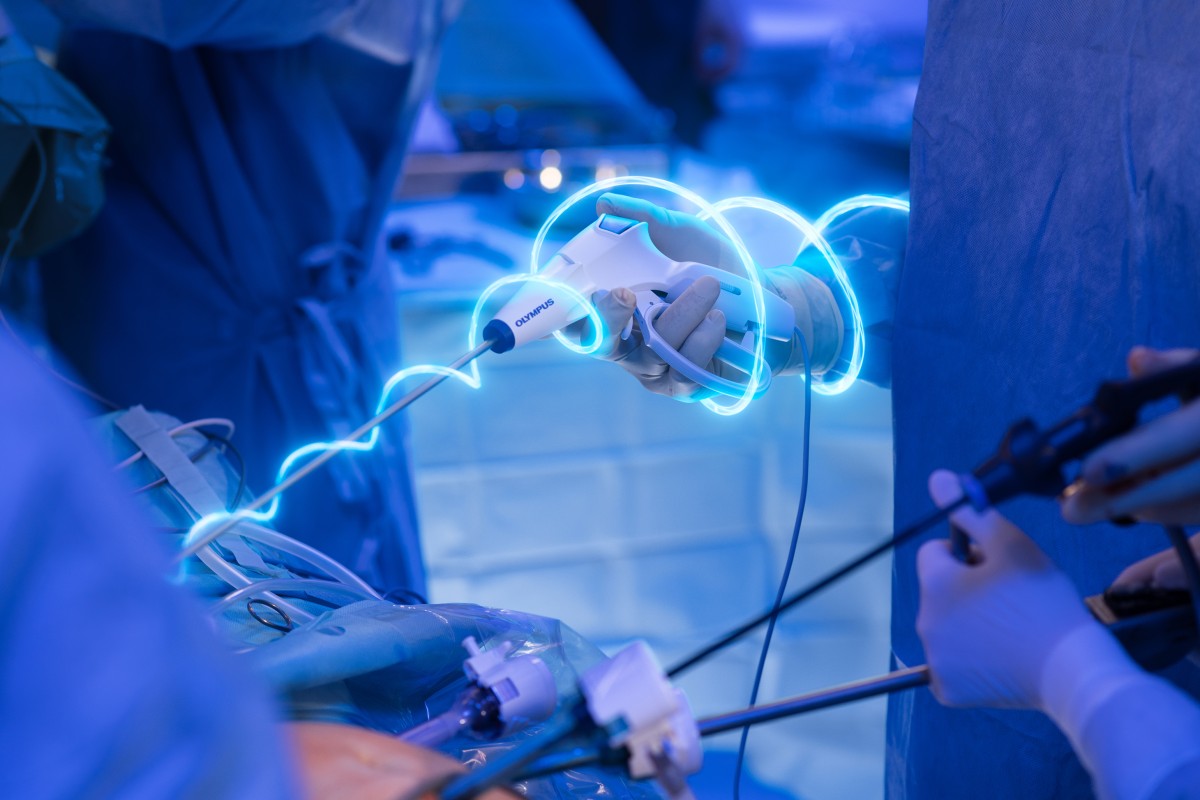
This approach is particularly valuable in situations requiring dissection close to critical anatomical structures or tissue handling within narrow operative spaces. Surgeons can reassess tissue position, jaw stability, and procedural readiness before energy activation, rather than having energy delivered immediately during handle closure.
With its distinct three-step operating mechanism, PowerSeal™ does more than simply change the method of energy activation — it introduces a more controlled and safety-oriented surgical workflow. By clearly separating each procedural step before energy is delivered to tissue, surgeons gain greater confidence in performing precise dissections, especially in complex anatomical regions and confined surgical spaces. In many surgical procedures, the difference often lies not in major maneuvers, but in the ability to precisely control the smallest movements.